

Why Do Humans Believe? Independently of Whether God Exists?
This is the question modern thought has bypassed rather than answered. Atheism tries to prove God’s absence. Theology tries to prove God’s presence. Both fall into the same trap: they address the question to God, and from there they cannot move forward. Protodizm takes a step back and asks the question that comes before where does this need come from? Why does this capacity exist? And what happens when this capacity enters an institution?
The answer points not to belief itself, but to the capacity that gives rise to belief. Death-consciousness, the need to produce meaning, the orientation toward the invisible, these are not things theology invented; they are things theology inherited. Religion was the first institutional form of this capacity. It was a necessary beginning. But like every beginning, over time it froze within itself.
This book’s most radical claim is this: art, science, philosophy, law, morality, religion, all of these are different crystallization forms of the same capacity. And this capacity is unique to humans. A chimpanzee sees death but does not produce death-consciousness. That difference is genomically only one-and-a-half percent. And within that one-and-a-half percent, the entirety of civilization resides.
If this is true, then Protodizm is not a philosophy of religion. It is the definition of humanity.
Every belief system, over time, freezes. The living capacity of the beginning gives way to closed answers. Question gives way to obedience, conscience gives way to institution, curiosity gives way to repetition. This is not a conspiracy, it is a dynamic. No founder intended this but it became the legacy of all of them. This is called crystallization.
Water is real. Ice is the frozen form of water. The two are made of the same thing but one flows, the other stands still. A crystallized belief system carries not the water, but the shape the water has taken. Not the living capacity within it, but its mold.
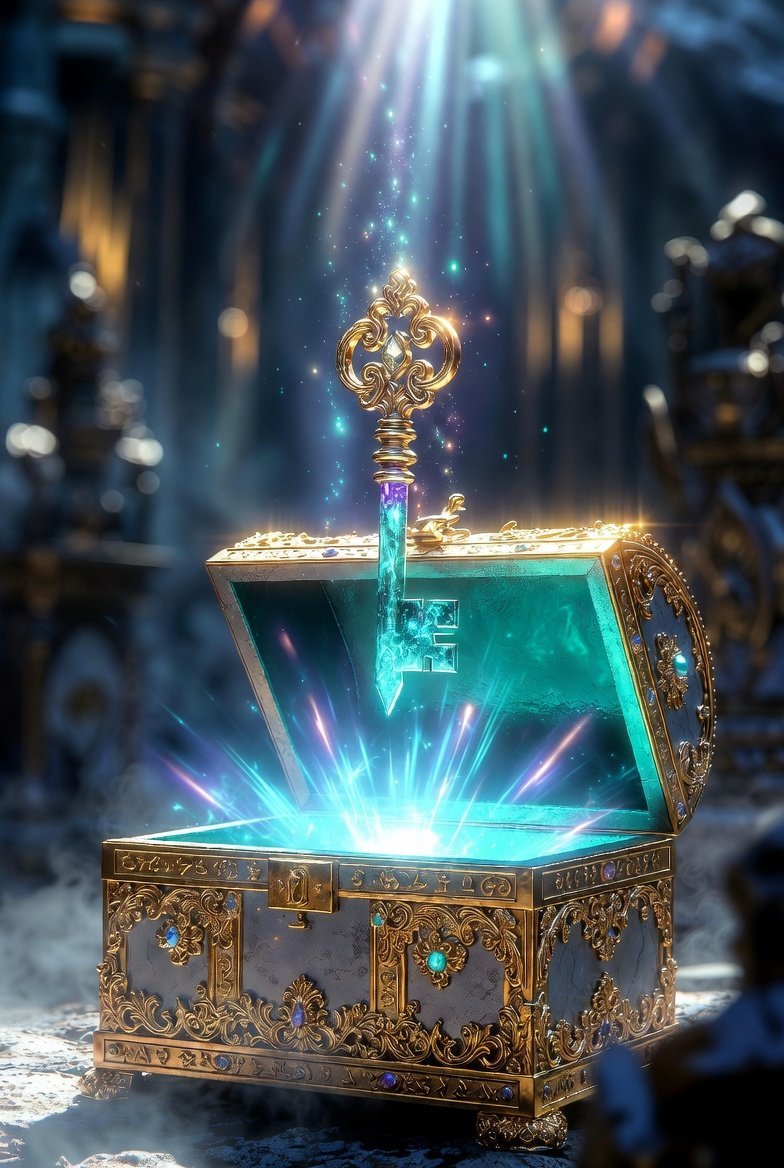
Protodizm is seeing the water inside the ice. Recognizing the mold but not surrendering to it. Seeing the lock, but knowing where the key is.
The box belongs to someone else. Others filled its contents. Others decided which God to believe in, which question could be asked, which answer would be accepted. But the lock has always been there and the key was never inside the box.
Realizing that the key has always been in you is where this book begins.
Why do good people do bad things? How does someone who has lost a child get angry at God and still continue to believe? Why do those who commit violence think they are the most devout? Why does conscience come before the institution and why does the institution always win?
These questions remain unanswered in religious books. Because religion is built with the very mechanism that asks these questions and seeing that mechanism means shaking its foundation.
Protodizm is not afraid to shake that foundation.